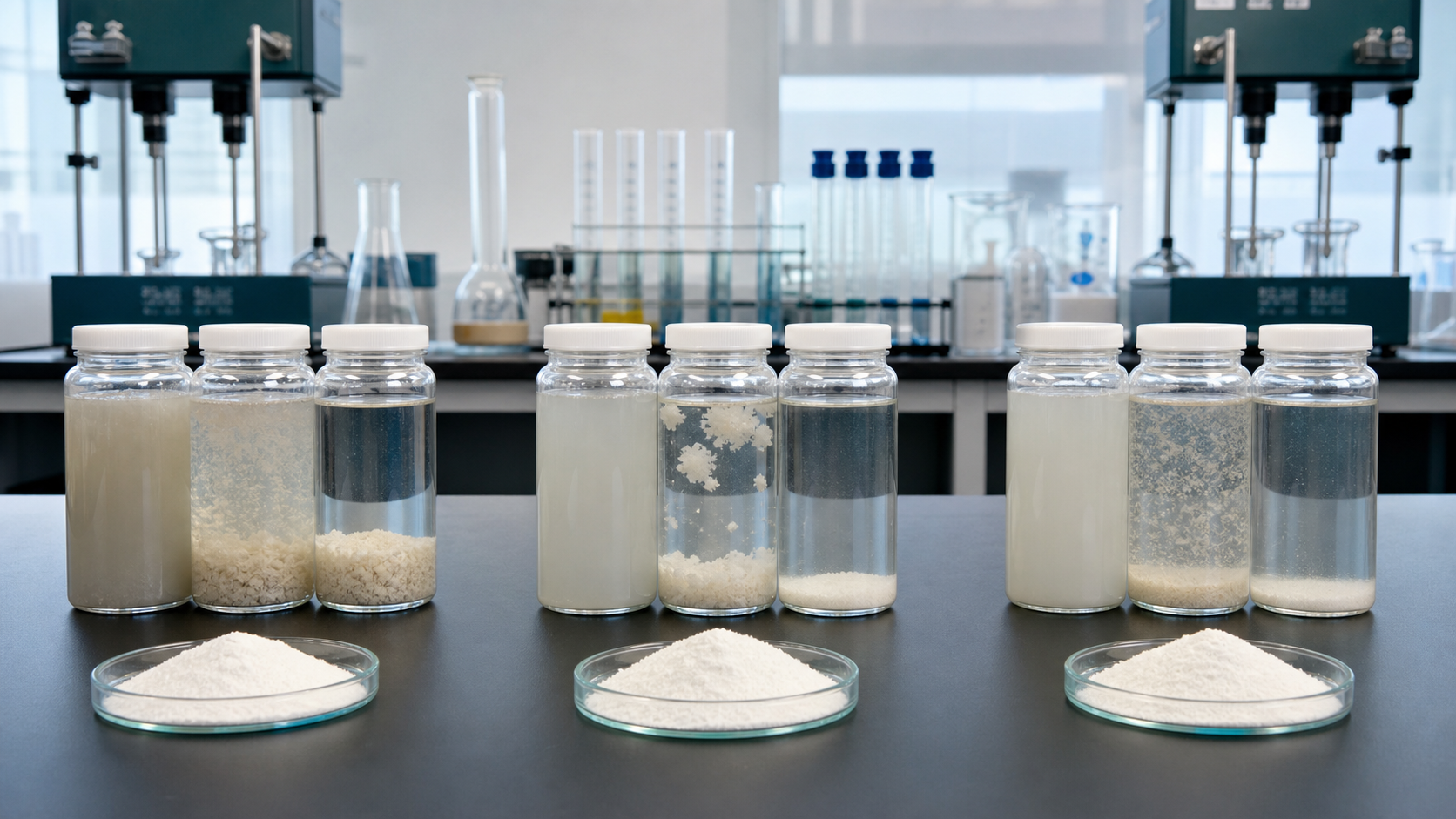
A textile dye wastewater PAM quotation should identify whether the plant is trying to separate suspended material, support an existing coagulation step or solve another defined problem. Visible colour and suspended solids are not interchangeable measures. Ask suppliers to explain the proposed polymer's role instead of accepting an undifferentiated promise to remove everything that makes the water look dark.
Describe the wastewater after upstream treatment
Record the production batches contributing to the stream and the treatment already applied before polymer addition. Include the existing coagulant, pH-control arrangement and significant process additives where known. Keep difficult dye batches or cleaning events identifiable rather than presenting an unexplained average sample as the entire operating envelope.
Ask the plant's technical team which measurements describe the actual requirement. If dissolved constituents remain a concern, keep their evaluation separate from a settling or flotation observation. A clear supernatant photograph cannot establish the complete treatment outcome, and a darker sample is not automatically evidence that the polymer has failed to capture solids.
Request a treatment-specific candidate
Use the paint and textile wastewater guide to prepare the brief for Xinqi Polymer. Ask for named candidates and the preparation instructions behind the recommendation. The polyacrylamide supply range helps frame availability questions, but a broad industry label does not specify a grade.
Require the supplier to identify any additional chemistry used in a demonstration. A result obtained with changed coagulant or pH conditions should be priced and evaluated as that treatment combination. Otherwise, the buyer may award a polymer against performance that depended on an unrecorded change elsewhere in the process.
Compare performance across relevant batches
Keep the sample identity, solution age, dose basis and mixing sequence in each test record. Compare candidates on the same feed where possible and repeat the selected option on representative difficult conditions. Define how solids are removed and handled, because a treatment that improves the liquid but creates an impractical sludge can still be unsuitable.
Separate observed results from extrapolations to untested production. Where batch variability is substantial, the proposal may need operating guidance or more than one qualified response. Do not convert that uncertainty into a guarantee simply because procurement needs a single annual price.
Close the quotation gaps before ordering
Request the commercial product reference, trial quantity, delivery destination and the conditions for production release. Document what the quoted price includes and what remains technically unqualified. A useful textile PAM offer provides a testable product for a defined stage, while keeping the plant's broader treatment and analytical obligations visible.