How flocculation water treatment works
Flocculation converts fine suspended particles into larger aggregates that can settle, float, or filter more easily. Polyacrylamide helps by bridging small particles into stronger flocs.
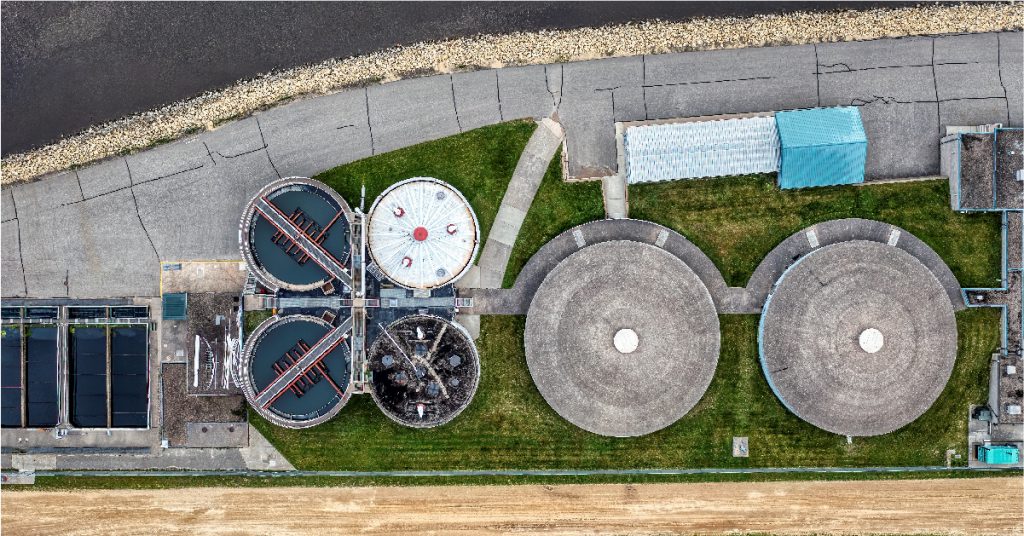
Core process steps
- Coagulation: destabilizes colloids and reduces electrostatic repulsion.
- Polymer addition: PAM chains adsorb onto multiple particles and form bridges.
- Slow mixing: encourages particle contact without destroying forming flocs.
- Separation: flocs settle in clarifiers, float in DAF units, or are retained by filters.
- Sludge handling: captured solids are thickened, dewatered, and disposed or reused.
Why PAM matters
In many waters, gravity alone is too slow because particles are tiny, stable, and difficult to capture. Properly selected PAM increases floc size, improves settling velocity, and can reduce downstream solids load. The correct grade depends on particle charge, pH, salinity, organics, and equipment conditions.
Next step: compare anionic, cationic, and nonionic polyacrylamide before building a jar test plan.
Common process mistakes
- Dosing polymer before it is fully hydrated.
- Using high shear after flocs have already formed.
- Changing coagulant, pH, and polymer dose at the same time.
- Judging performance only by first visual response instead of final clarity and sludge behavior.