Where PAM flocculants improve water treatment
Flocculation is used anywhere fine solids must be removed efficiently. The treatment goal may be clear overflow, higher water reuse, lower sludge volume, or better downstream filtration.
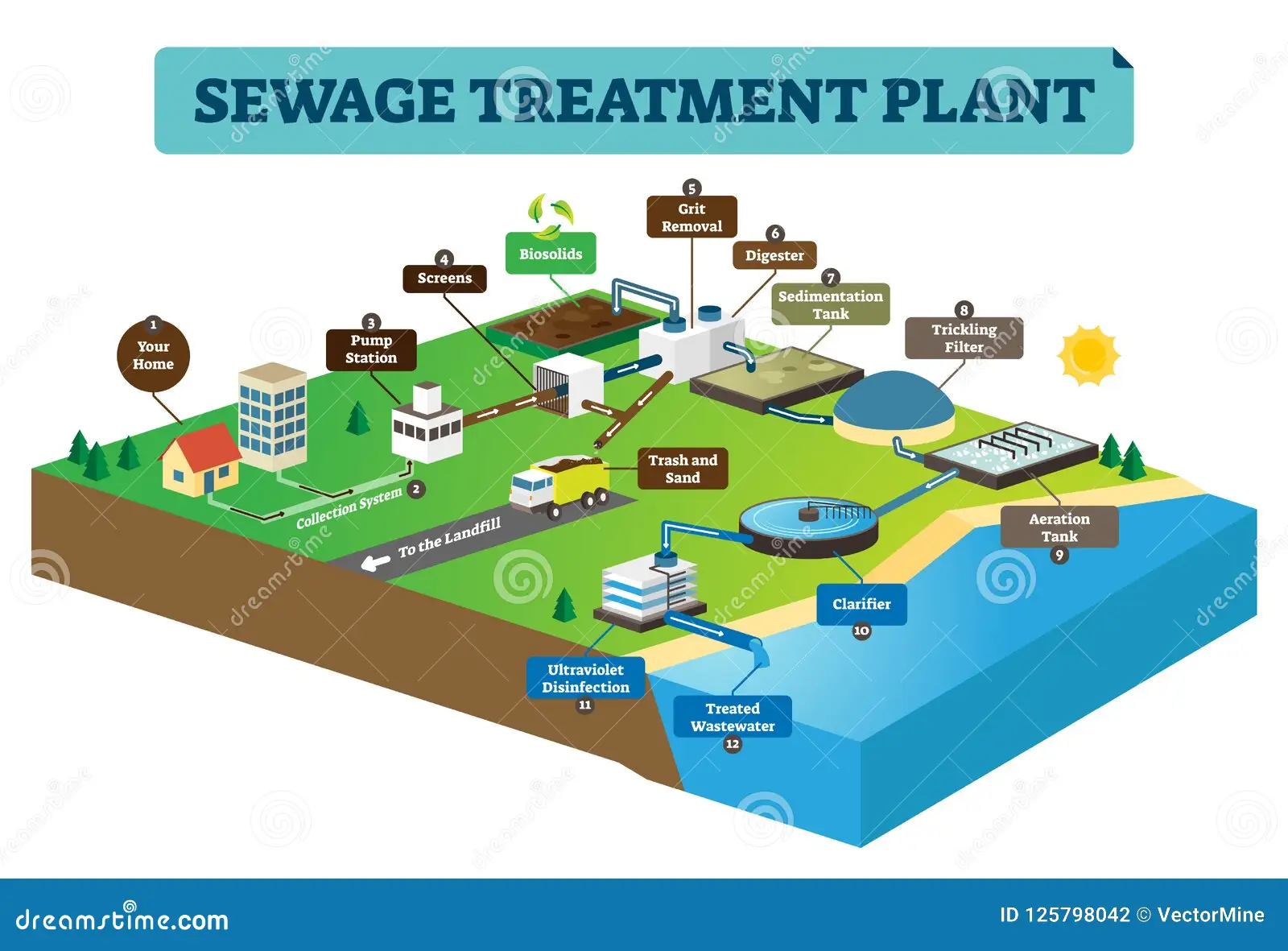
Municipal wastewater
CPAM is often tested for biological sludge dewatering, while APAM may support primary clarification or tertiary polishing.
Plan municipal jar testingMining and coal washing
High molecular weight APAM can improve tailings thickening, water recovery, and overflow clarity.
Compare APAM selection factorsPaper and textile wastewater
Organic load, dyes, fibers, and fillers require careful charge selection and coagulant compatibility checks.
Review the process stepsOilfield and produced water
Salinity, oil carryover, and fine solids make jar testing essential before selecting APAM or CPAM.
Use the jar test checklistApplication-specific questions
- Is the primary target turbidity, TSS, COD, sludge volume, or water reuse?
- Will the polymer be dosed before clarification, flotation, filtration, or dewatering?
- Is the process sensitive to salinity, pH, oil, surfactants, or temperature?
- How much shear will the formed floc experience before separation?
A good application page should lead to an action. If you know the water source, move to jar testing or request supplier guidance.
When these checks lead to a purchase, use the relevant requirements: Meat Processing Wastewater PAM: A Supplier Enquiry.