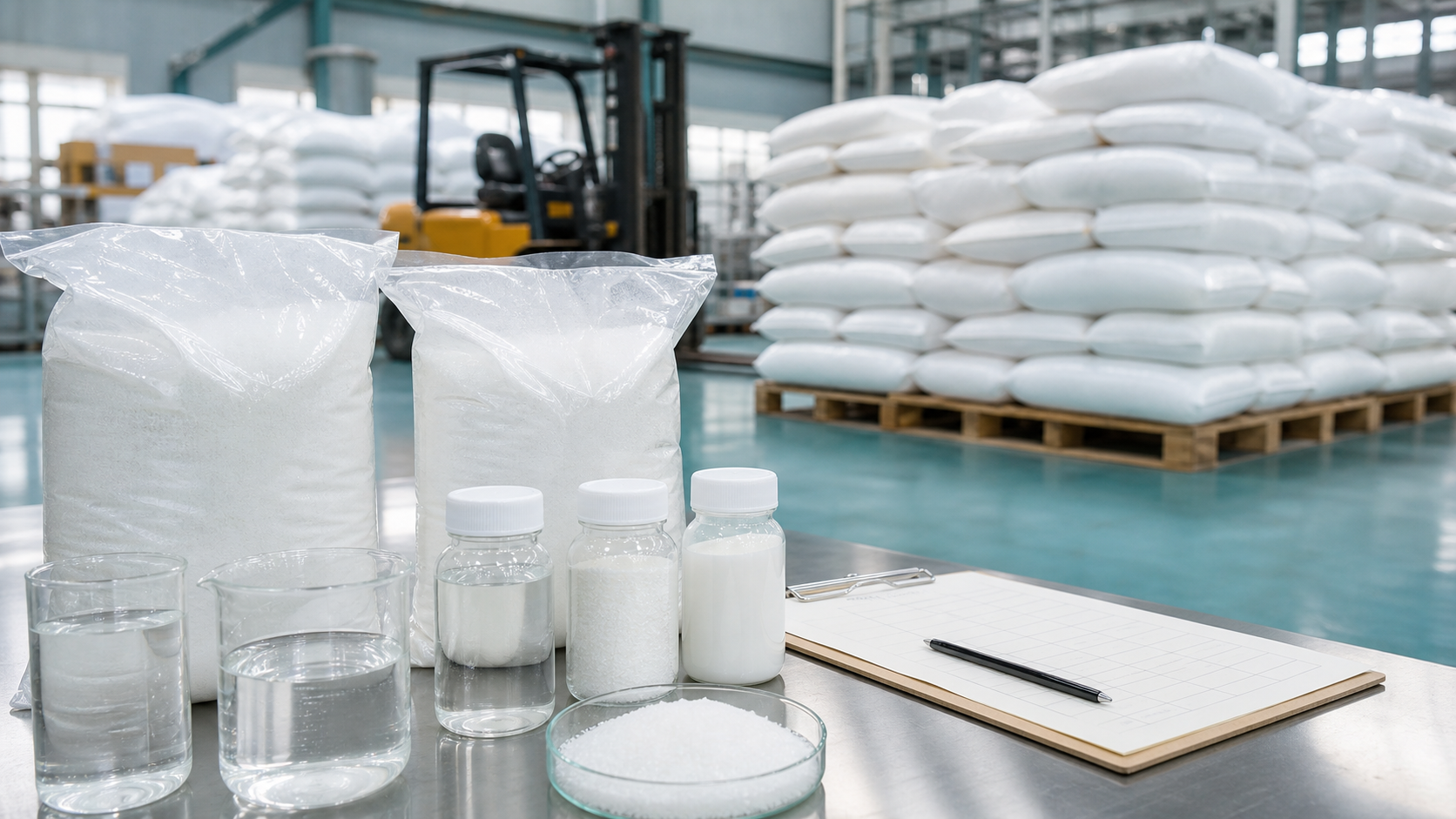
A PAM order for cold make-down water should identify the preparation limitation before requesting a different grade. Slower or inconsistent preparation may make a familiar product appear ineffective, but the cause can lie in water supply, wetting, available residence or operating practice. Establish which constraint the proposed purchase is intended to solve.
Record the actual cold operating condition
Measure or document preparation-water temperature over the relevant period and identify whether it differs from the wastewater temperature. Record the preparation batch size, usable maturation time and dosing demand. A nominal tank capacity may not describe how long each batch actually remains before operators begin using it.
Review the aging and dilution guide with the equipment team. Check for wetting faults and interruptions in water or powder feed before attributing the issue to the polymer. A purchasing change should not be used to avoid correcting an identifiable preparation malfunction.
Ask for grade-specific evidence
Give Xinqi Polymer the cold-water condition and existing preparation route. Request instructions and a proposed screening method for the named candidate. A polyacrylamide factory reference can support product identification, but it does not establish a universal hydration time for every powder or emulsion.
Ask whether the proposed solution requires an equipment or utility change. If heating, additional maturation capacity or another preparation arrangement is proposed, record it as part of the decision. Do not compare product prices while silently assuming one candidate receives more favourable preparation conditions.
Test within the available preparation window
Prepare candidates under documented conditions that reflect the plant's intended operation. Compare treatment performance after the relevant solution age, not only after an unrestricted laboratory waiting period. Record visible preparation problems and use the supplier's guidance to investigate them rather than treating appearance alone as a complete quality test.
Retain a current-product reference prepared correctly under comparable conditions. This distinguishes a genuinely useful alternative from improvement caused by correcting the test method. Where the cold period varies, identify which temperatures and operating schedules the trial actually represented.
Define a seasonal release condition
Keep the cold-condition preparation record available to the shift team, including the actual solution age used when the candidate achieved the accepted result.
Record the accepted grade, preparation requirements and limits of the evaluation. Specify any operator changes needed during colder conditions and when the selection must be reviewed. This supports a targeted purchase without promising that a product change alone removes the effect of cold water, inadequate maturation capacity or inconsistent make-down operation.