Reviewed
Polymer Make-Down Control for Flocculation Systems
Many flocculation problems blamed on product quality actually begin in the make-down system. Dry PAM must be wetted, hydrated, aged, diluted, and injected correctly before it can create reliable floc.
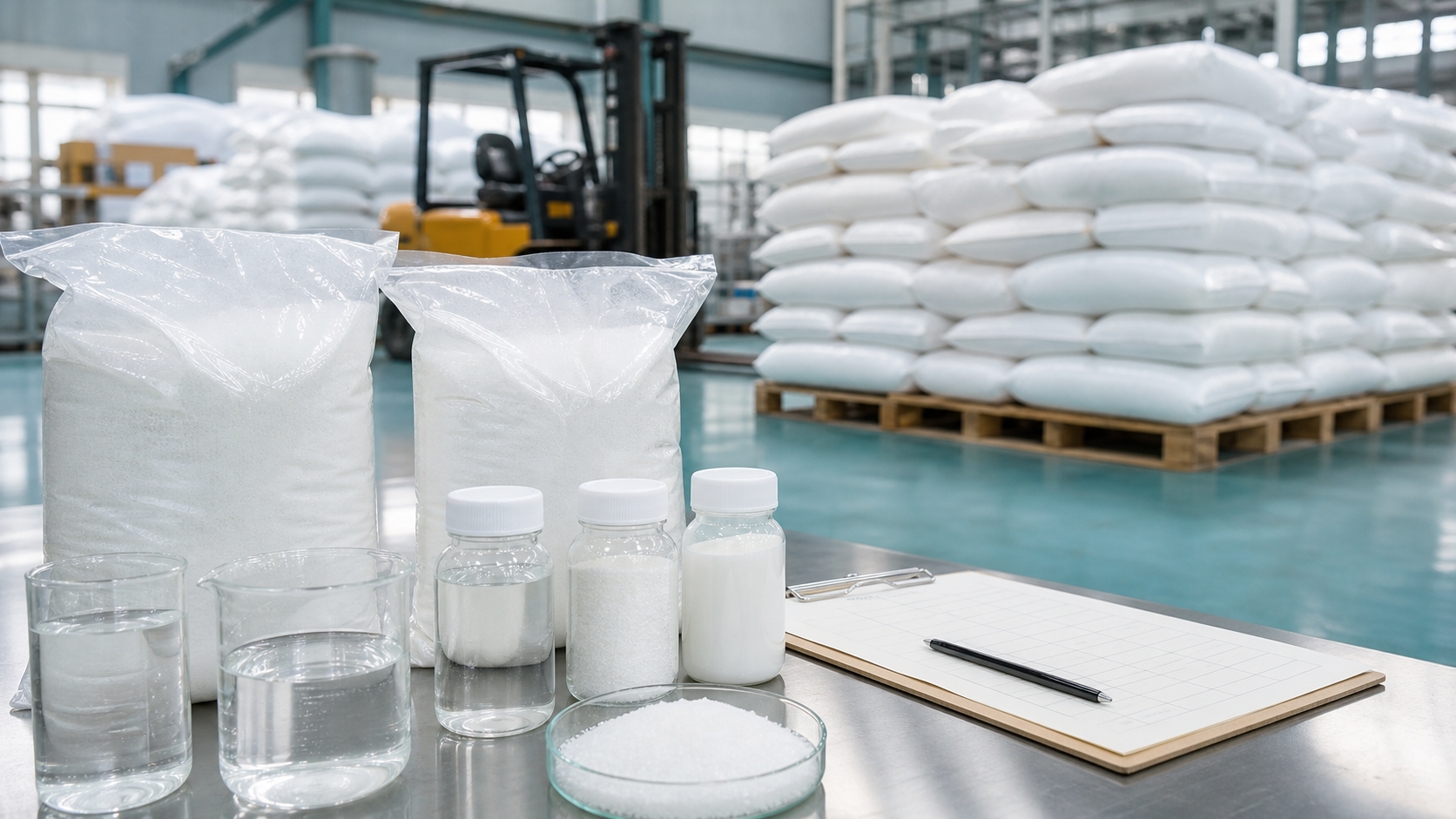
Hydration is part of performance
Polyacrylamide molecules need time and water to uncoil. If dry powder is added too quickly, mixed violently, or exposed to poor wetting, the solution can contain clumps and partially hydrated polymer. These defects create unstable dosing and misleading field results. A plant may increase dose to compensate, but the real issue is that the active polymer never fully developed.
Operators should check feeder calibration, wetting cone condition, dilution water pressure, solution concentration, aging time, and storage turnover. A small make-down fault can produce large changes in clarification, sludge settling, and dewatering.
Concentration and aging time must fit the product
High molecular weight products often require careful dilution and adequate aging. A solution that is too concentrated may be difficult to pump and disperse. A solution that is too old may lose performance. The correct concentration depends on product type, equipment, and application. Supplier guidance should be treated as a starting point, then confirmed through plant operation.
A practical polyacrylamide manufacturer discussion should include make-down equipment, water temperature, water hardness, storage tank size, pump type, and injection point. Factory support is more valuable when it addresses the full preparation system, not just the product label.
Injection location controls contact
Even well-hydrated PAM can fail if it is injected in the wrong place. The polymer needs enough mixing to contact solids, then lower shear so floc can grow. If it is added before a high-shear pump, the floc may break. If it is added too close to the clarifier, contact time may be too short. Injection should be reviewed whenever the plant changes flow, piping, or treatment target.
For mineral water, product families such as anionic polyacrylamide may be compared; for sludge or organic solids, cationic polyacrylamide may be screened. But both families still depend on proper make-down and injection.
Troubleshoot before switching products
If performance suddenly drops, check the simple items first: dry product flow, water flow, mixer operation, aging time, suction leaks, chemical pump calibration, dilution line blockage, and injection quill condition. A product switch may be necessary, but make-down checks often solve the issue faster.
Good flocculation is a chain. Product selection, preparation, dosing, mixing, settling, and sludge handling all matter. The strongest chain is built when operators treat polymer make-down as a controlled process rather than a background utility.