Reviewed
Municipal Wastewater Flocculation with PAM
Municipal wastewater plants use flocculation to make fine suspended solids behave like separable solids. The right PAM program can improve clarifier stability, sludge thickening, and downstream dewatering, but only when the polymer is matched to real plant conditions.
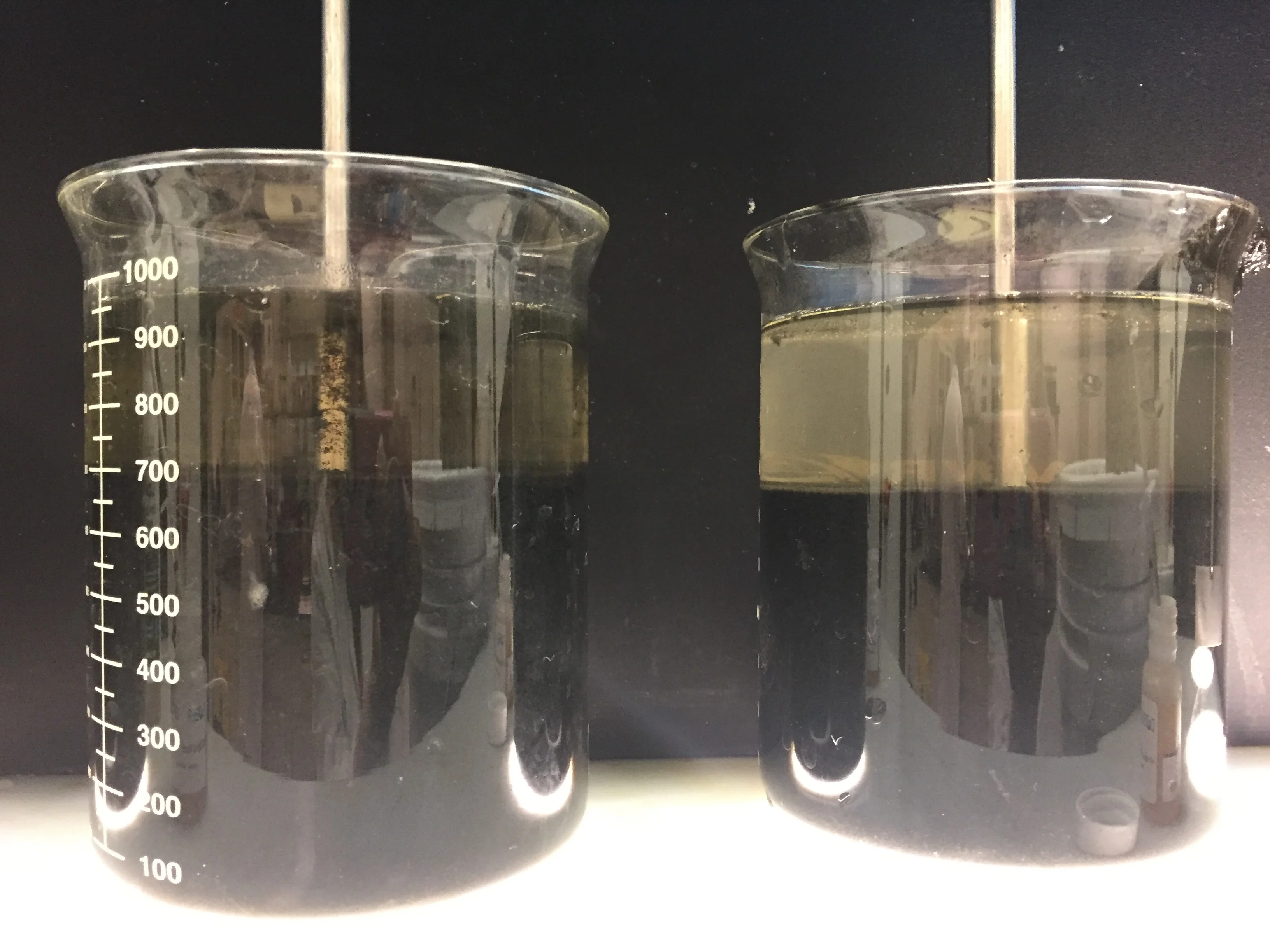
Start with the treatment goal
Municipal plants do not all need the same flocculant result. A primary clarifier may need faster settling and lower overflow turbidity. A secondary clarifier may need more stable biological floc without creating carryover. A sludge thickener may need higher solids capture and better water release. These goals are related, but the best PAM type can be different for each one.
Before selecting product samples, operators should define the target: turbidity reduction, total suspended solids capture, sludge blanket control, thickening, or dewatering. This keeps the jar test focused. A polymer that makes the clearest supernatant in a beaker may not be the best choice if it creates bulky sludge or weak floc that breaks in the plant.
Choose the PAM family by solids behaviour
For inorganic grit, clay, and mineral fines, plants often start with anionic polyacrylamide. For biological sludge, waste activated sludge, or organic-rich streams, cationic polyacrylamide is usually screened carefully. A low-charge or nonionic polyacrylamide candidate may be useful when charge demand is low or when the plant wants gentle bridging without aggressive charge interaction.
A practical supplier discussion with a PAM flocculant supplier should include influent type, solids concentration, pH, temperature, existing coagulants, make-down equipment, and the separation process. The product family is only the starting point. Charge density, molecular weight, solution concentration, and mixing energy decide the actual result.
Control the transition from jar to plant
Jar testing is useful because it creates evidence, but the plant is not a jar. Full-scale dosing must consider polymer aging, dilution water, injection location, rapid mixing, flocculation time, and shear after the floc forms. If the polymer is injected into a high-shear pump discharge, floc may break before it reaches the clarifier. If it is added too late, the water may not have enough contact time.
The safest approach is to establish a dose range, begin at the lower end, and adjust based on measured response. Operators should record polymer rate, flow, suspended solids, blanket depth, overflow clarity, and sludge handling. Dose should not become a habit. It should remain a controlled response to plant data.
Keep sludge handling in the decision
Municipal flocculation success includes what happens after the water clears. Sludge that settles but will not thicken, drain, or dewater creates a second operating problem. If sludge handling is part of the objective, the test should include drainage or dewatering observations, not just supernatant clarity.
A good municipal PAM program creates stable water quality and manageable solids. That balance comes from testing, careful operation, and supplier support that understands both clarification and sludge behaviour.